
UPDATED JULY 2026
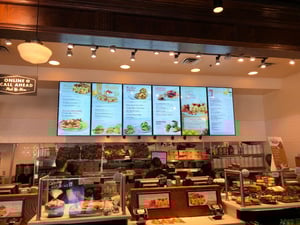
For over six decades, The Howard Company has been a trusted resource in the signage business. Brands across industries, from restaurants and convenience stores to banks, credit unions, grocery, dispensaries, and retail, regularly ask us why we see digital signage and digital menu boards as the smart path forward.
A lot has changed since we first published this article. Voice AI now takes orders in the lane, digital screens sync live with point of sale and back office systems, and self service kiosks lift average transactions every day.
Below are the questions we hear most from partners weighing the switch from static signage to digital, updated for where the technology stands in 2026.
What advancements are new and exciting in digital signage?
AI and automation are the biggest shifts.
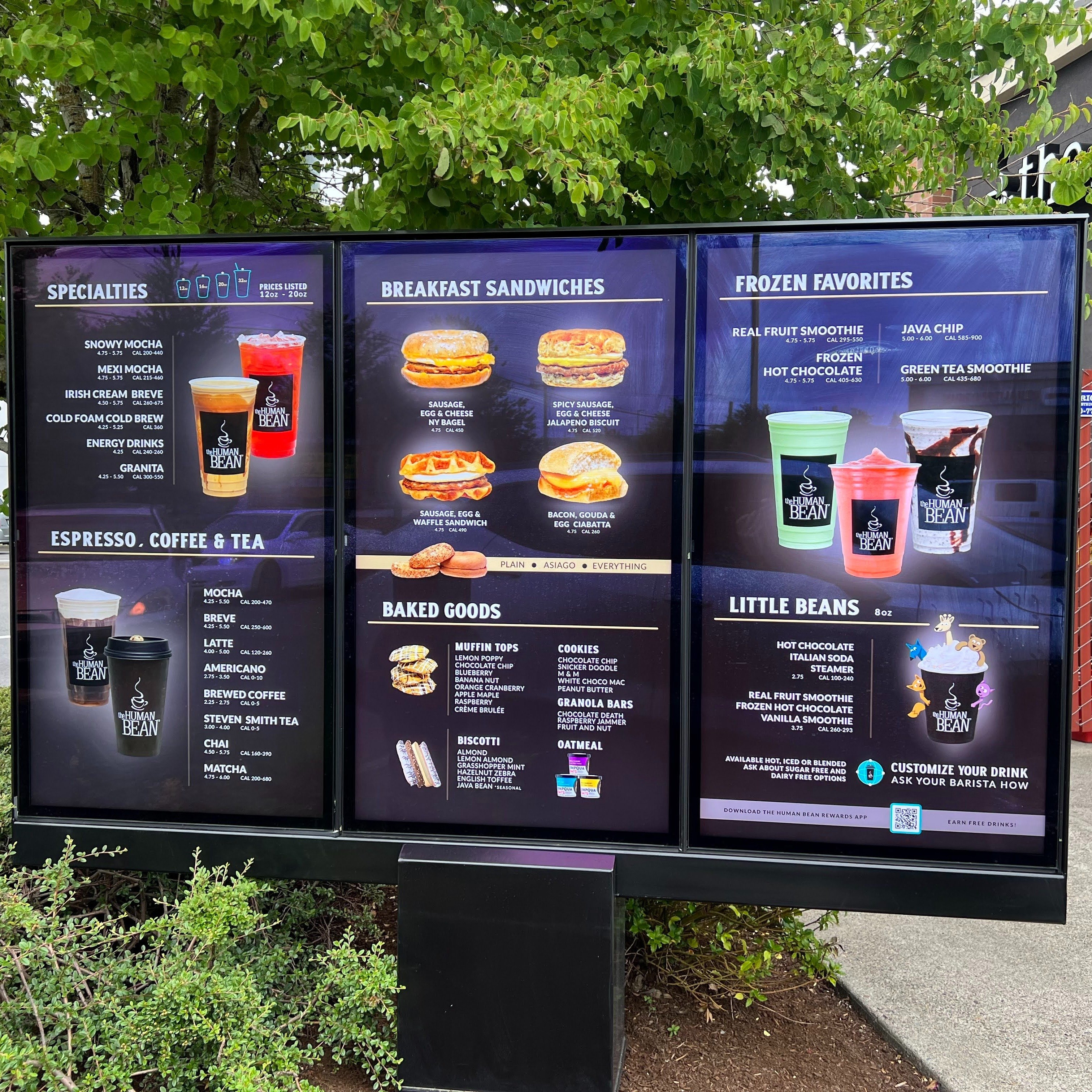
In the drive-thru, voice AI ordering can take orders around the clock with consistent accuracy and upsell in context, then hand off to a team member the moment it is unsure. Order confirmation and live data screens now sync line by line with point of sale systems, which builds trust and cuts errors. Outdoor rated screens have also matured, so many organizations run the same content software inside and outside from one platform instead of supporting two.
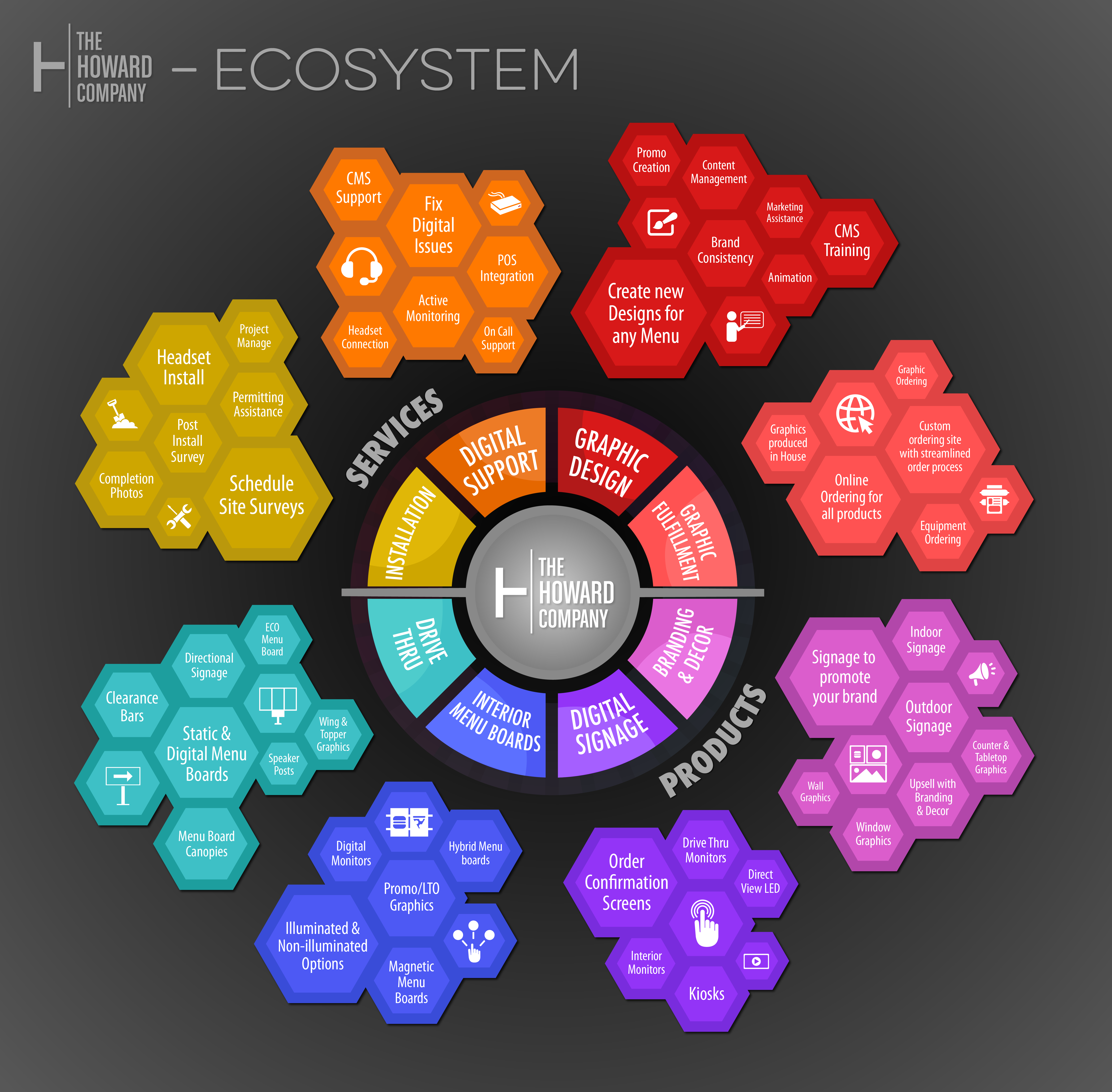
Add self service kiosks and direct view LED, and businesses of every kind have more ways than ever to move people through faster and drive more value per visit.
Why is digital signage so important?
Today's audiences, led by Gen Z and younger millennials, expect fresh, interactive content and fast, accurate service wherever they are.
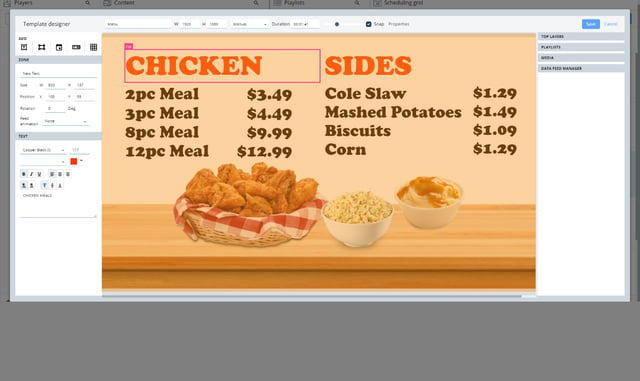
A good content management system lets you change menus, pricing, promotions, wayfinding, and dayparts in seconds across every location, with no reprints. For multi location brands, accuracy and central control matter most, since one update can reach every site at once while local managers still adjust what they need. Even single location operators gain the freedom to update content from anywhere.
Why invest in digital over static signage, and what are the benefits?
Digital signage keeps audiences engaged, which lowers perceived wait times and improves the overall experience. Digital screens integrate with your existing technology, including point of sale and inventory or back office systems, so pricing and availability update automatically.
Add value added content such as news, trivia, or promotions and you give people a reason to keep looking at the screen, which opens another window for branded messaging.
Additional benefits:
- No ongoing print and ship costs. Static signage has to be designed, printed, shipped, and installed every time something changes. With digital, once the system is designed and installed, an update is as simple as uploading new artwork to your CMS.
- Staff training and internal communication. Screens can double as an internal tool. Pre recorded training videos and company news can be scheduled to play across all locations at a set time.
- Community support. Local news, events, and feel good stories on your screens show the community that your team appreciates their support, which builds loyalty.
- Brand consistency. A static poster can be forgotten or left up too long. Digital keeps every location current and on brand automatically.
Where is the technology heading next?
Personalization and AI are the next horizon. Voice AI is already reshaping the lane, and recognition and beacon technology point toward content that adapts to the individual. The customer experience will increasingly tailor offers based on past visits and loyalty program participation.
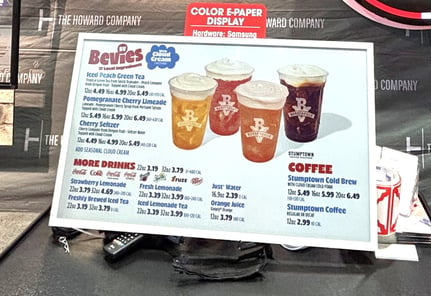
Emerging display types like color e-paper are also arriving, giving a crisp, low energy look for the right settings.
What misconceptions do leaders still have?
Cost is the biggest one. Signage technology keeps improving while pricing holds steady or drops, and the real question is how much revenue you miss by not running dynamic messaging. Opportunity cost belongs in the math too.
A second misconception is starting with hardware. Many buyers pick screens first, then work backward to software and install. Experience shows that is backward. Start with the objective, methodology, and strategy, then choose software and a support process, and only then select hardware. This order is what separates a real digital program from a few monitors on a wall.
Third, cutting corners on equipment. Commercial grade displays, professional installation, and purpose built software are what make a system last. Piecing together consumer grade TVs and off the shelf software is how operators end up disillusioned. The Howard Company supplies commercial grade panels only.
Finally, working with a vendor who only sells one piece. Your partner should be able to build the whole solution and, just as important, stay software agnostic so you are not locked into one brand of hardware or software.
Why is now the right time to invest in digital signage?
Early adopters across industries have already tested digital signage and proven it moves the needle, from restaurants and retail to financial and grocery. Today's buyers get to build on those lessons, and the tools to measure return are far better than they used to be. Try the digital signage ROI calculator to see what a system could return for your locations.
What advice do you have for choosing digital signage partner?
Research, research, research. Many of our clients tried stitching together different companies for different pieces, or handling it themselves, before coming to us for a true turnkey solution.
Ask any vendor, including us:
-
What is the business objective and how will we measure success?
-
Will it run reliably in my environment?
-
Does the CMS integrate with my point of sale or core systems?
-
Can my team edit content ourselves?
-
Do I own the software or subscribe, and what is the five year total cost?
-
How do the screens connect, and what happens if a connection drops?
-
Am I locked into one brand?
-
Who handles installation, monitoring, and support?
What else should we know?
Digital signage should be an integral part of your marketing and communications plan, not a bolt on.
Your brand and strategy drive the content, the changeability, the hardware, the software, and the guest interaction. And the work does not end on install day. Network management and active monitoring keep screens from quietly going dark, so a location is never offline for days without anyone noticing. Remember, the signage is a vehicle for delivering your message.
Summary
Our goal is to guide partners through the maze of digital products with a consultative approach, matching solutions to each organization's needs. If the flood of information online has you stuck, talk to a signage professional who can help you sort out what works best for your business. Explore our digital displays, take a deeper dive into how digital signage works, or reach out to our team for a scoped quote.
This article was originally published on June 27, 2017. It was revised in May 2019 and February 2023, and updated most recently in July 2026 for accuracy and comprehensiveness.
This article was originally published on June 27, 2017. It has been updated for comprehensiveness.


SHARE